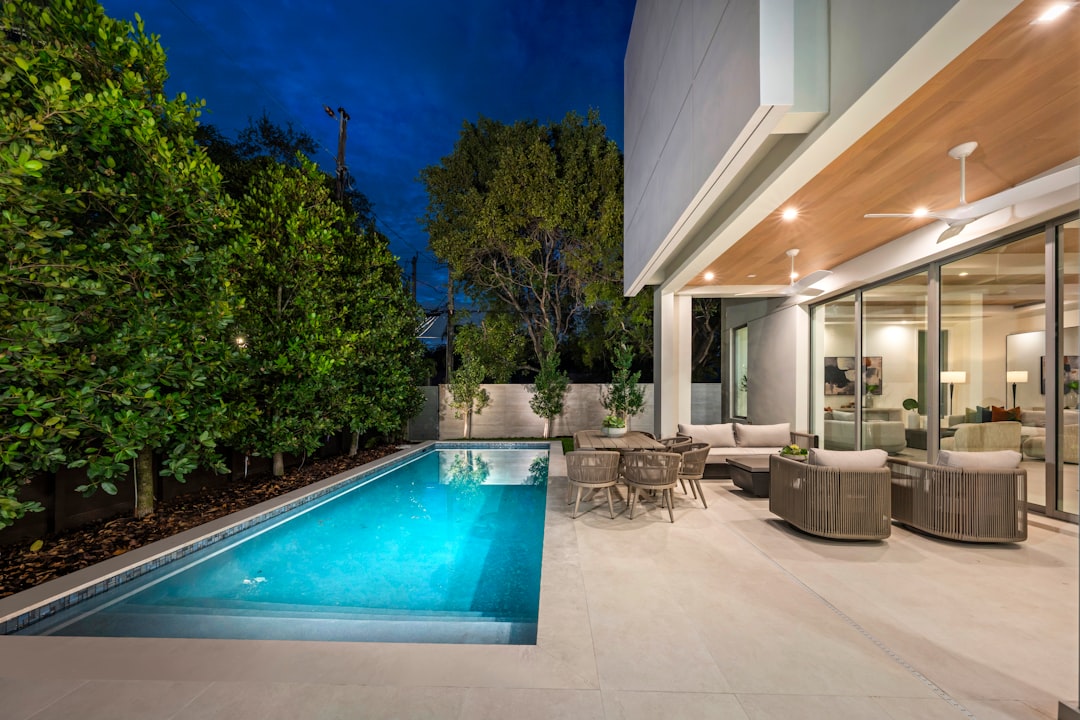
FLAGSHIP GUIDE · PRECISION LANDSCAPING & DESIGN
Before a single paver is laid, the best outdoor estates begin with a design language. A clear aesthetic direction that governs every material, every plant, every fixture. Seven distinct approaches — and how each translates to SWFL.
Why design language matters: Without a clear design language, outdoor estate decisions are made piecemeal — and a piecemeal estate is not a luxury estate. The design language is the filter that makes every subsequent decision clear.
Seven distinct approaches: Mediterranean · Tropical Resort · Coastal · Modern · Formal · Native · Hardscape-First. Each is a complete aesthetic and technical discipline, not a loose descriptor.
SWFL advantage: For five of the seven design languages, SWFL's Zone 10B provides climate conditions that make the design language more authentic here than anywhere else in the US. The plants are real. The materials perform. The style is genuine.
How to choose: Four factors: your home's architecture, your neighborhood's character, your use pattern, and your lot's physical characteristics. The design language follows from the property — it is not imposed on it.
The outdoor estates in Naples that look like they belong — that feel complete, considered, and permanent — share one characteristic: they were designed from a clear aesthetic direction. A design language established before the first drawing was produced and maintained through every subsequent decision: material selection, plant species, fixture style, pool shape, pavilion form.
The outdoor estates that feel assembled — where the travertine driveway meets a Modern pool deck meets a Tropical planting scheme meets a Mediterranean pergola — were designed piecemeal. Each decision was made in isolation, often by different contractors working from different references, without a governing aesthetic framework. The result is an outdoor estate that can be individually described but not collectively understood.
The design language is not a stylistic constraint. It is the filter that makes every subsequent decision faster, clearer, and more likely to produce a result that coheres. "What material do we use for the pool coping?" is a difficult question without a design language. With a design language, it is resolved by the framework: Mediterranean = travertine coping; Tropical Resort = organic irregular stone; Coastal = porcelain or natural buff stone; Modern = smooth concrete or large-format porcelain.
Seven design languages are regularly applied to Naples outdoor estates. Each is a distinct aesthetic and technical discipline with specific materials, planting palettes, and construction approaches. The following guide covers each.
01 — Mediterranean
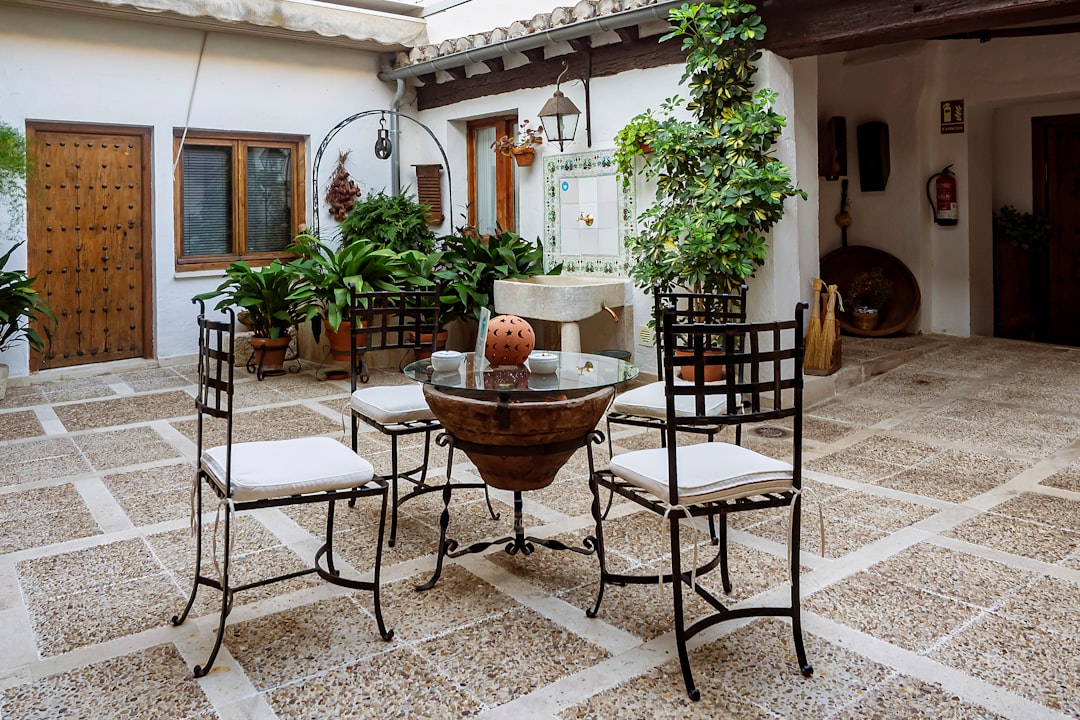
SWFL translation: travertine performs better in Naples than in most European coastal climates. Bougainvillea grows as a native in Zone 10B. Canary Island Date Palms are established estate trees in Port Royal. This style is genuine here — not an approximation of something European.
Best for: Grey Oaks · Pelican Bay · Port Royal · Mediterranean Revival architecture · formal lot orientations
Full Mediterranean Guide →02 — Tropical Resort
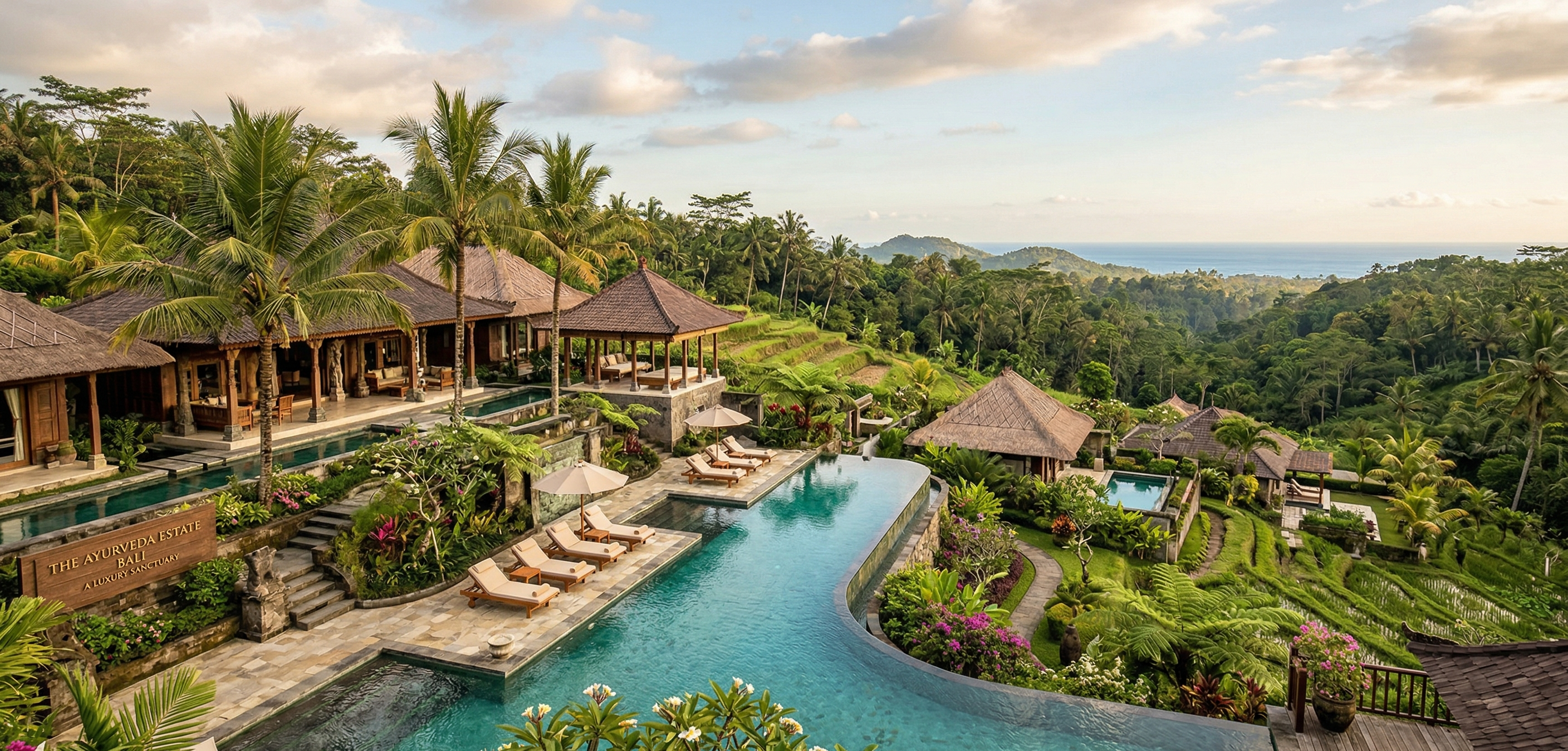
SWFL translation: Zone 10B is the only US climate where the full Balinese resort plant palette grows authentically. No substitutions. The Bismarck Palm on a Port Royal estate is the same species anchoring the entry sequence at a Ubud resort.
Best for: Port Royal · Aqualane Shores · Pelican Bay · properties with 60+ feet of planting depth · the private resort buyer
Full Tropical Resort Guide →03 — Coastal
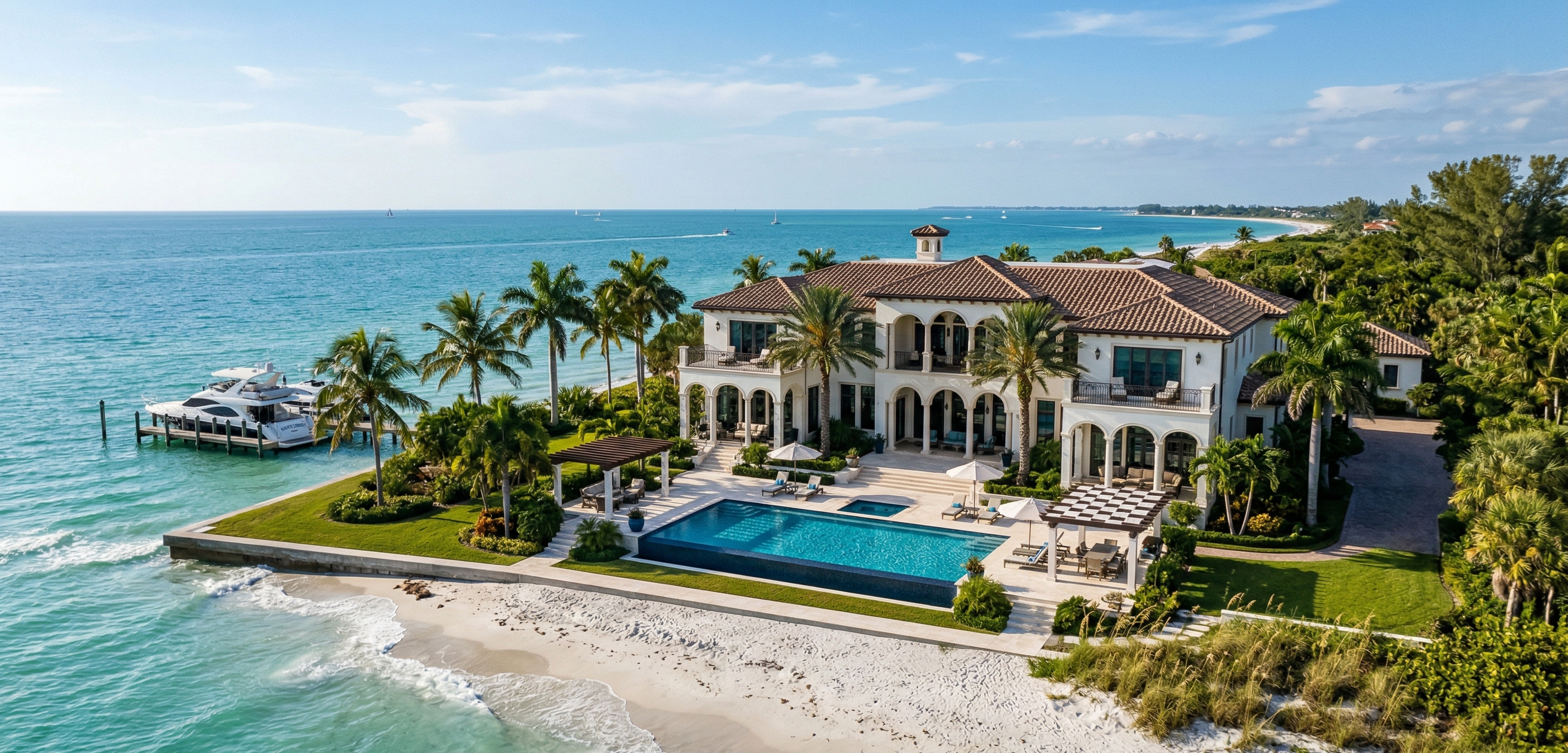
SWFL translation: coastal estate design here is both an aesthetic and an engineering discipline. Material selection in salt air is a technical decision. Native coastal species perform better here than anywhere because they evolved for exactly this environment.
Best for: Port Royal waterfront · Aqualane Shores · Marco Island · Sanibel · any Gulf or bay-access property
Full Coastal Guide →04 — Modern
SWFL translation: Modern outdoor design in Naples must solve the same heat management problems as every other style — large-format porcelain is the correct hardscape surface for Modern estates, cooler underfoot than concrete in direct sun.
Best for: contemporary architecture · 40–55 buyers with design backgrounds · grey oaks new construction · architectural estate builds
Full Modern Guide →05 — Formal
SWFL translation: formal design is the most demanding design language for ongoing maintenance — precise geometric hedging and topiary require consistent horticultural management. Appropriate for estates with a landscape management service, not for low-maintenance or second-home use.
Best for: Port Royal estates · highest-value buyer tier · primary residence use · estates with landscape management staff
Full Formal Guide →06 — Native Florida
SWFL translation: SWFL's native plant palette is among the most diverse and visually compelling in the US. A native Florida estate is not a compromise — it is a design choice that delivers genuine ecological performance with minimal ongoing maintenance.
Best for: seasonal residents · second-home buyers · environmental value buyers · Sanibel and coastal conservation neighborhoods
Full Native Guide →07 — Hardscape-First
SWFL translation: hardscape-first estates must address heat management directly — material selection and pool placement must produce shade and reflected heat mitigation as part of the design, not as an afterthought. Large shaded outdoor kitchen zones and east-facing hardscape are the correct response.
Best for: estates requiring maximum usable outdoor area · outdoor entertaining as primary use · properties with limited planting depth
Full Hardscape-First Guide →Within each design language, three additional design philosophy decisions shape the final character of the estate. These are not alternatives to the design language — they operate within it.
Formal vs. Informal
The degree to which planting is shaped and controlled versus allowed to express natural form. Mediterranean design ranges from highly formal (clipped Podocarpus at precise geometry) to informal (specimen palms in organic groupings). The choice affects maintenance requirements and the character of the estate as much as plant species selection does.
Indoor-Outdoor Connection
The priority given to visual and physical continuity between the interior and exterior of the home. Estates that prioritize indoor-outdoor connection position the pool axis in relation to principal room sightlines, match interior and exterior floor materials at the threshold, and design landscape views from specific interior viewpoints. This is a coordination requirement between architect and landscape architect — not achievable after the fact.
Privacy vs. View
The relative design priority of visual enclosure and screening versus sightlines and borrowed views. Waterfront estates almost always prioritize view. Interior lots prioritize privacy. Most estates require both, resolved spatially: dense planting on property boundaries transitioning to open sightlines at the pool zone and principal outdoor living areas.
"The design language conversation is the first conversation we have with every estate client. Not 'what do you want to build' — 'what do you want to arrive at every time you come home.' The answer to that question tells us everything: the material palette, the planting character, the pool form, the lighting approach. Everything follows from it."
— Thomas Ferrara · Precision Landscaping & Design
The design language conversation happens before any drawing is produced. The landscape architect establishes the governing framework — material palette, planting character, pool form, structural approach — in a design brief that is agreed on before the site plan begins. Every subsequent decision in the design phase is evaluated against the framework.
This matters because the design-build process produces the most coherent results when the design language is maintained from the landscape architect's desk through construction. At Precision Landscaping & Design, the same team that produces the design produces the build. The landscape architect who specified the travertine coping detail is present at installation to verify it is correct. The planting plan that called for field-grown Bismarck Palms at 10 feet of clear trunk is executed with specimens sourced at that specification from Rock & Rose Nursery — Precision's sister company.
Precision holds the General Contractor license (FL CGC1539932) and Landscape Contractor license. Full scope — hardscape, pool, planting, outdoor kitchen, lighting, irrigation, and dock coordination on waterfront properties — under one contract. The design language that was established at the beginning of the process is the one that is delivered at turnover.
The design language conversation is the first one we have with every estate client. Tell us which direction appeals to you — or which property characteristics feel most important — and we'll tell you where it leads. Precision Landscaping & Design · FL CGC1539932.
Or explore: Landscape Architect Services · Our Estate Builds · Full Estate Build