FENG SHUI ESTATE GUIDE · PRECISION LANDSCAPING & DESIGN

The Feng Shui Estate:
Ancient Principles for Naples Outdoor Design

Why a growing number of Naples estate clients are asking their design-build contractor to align the outdoor environment with feng shui — and what that actually requires.

By Thomas Ferrara · 10 min read · Precision Landscaping & Design

The Quick Answer

What Happened When a Naples Estate Client Asked for a Feng Shui Revision

Earlier this year, we were partway through the design phase of an estate build in Naples when our client called with an unusual request: she wanted to revisit the site layout through a feng shui lens. Specifically, she was concerned about the pool's position relative to the home, the direction the entry water feature was flowing, and whether the South sector of the outdoor estate — which in Period 9 should be activated and visible — was adequately addressed in the design.

This was not a fringe request from someone reading a lifestyle blog. This was an estate owner with a sophisticated design sensibility who had done serious research. She knew the Bagua. She understood the five elements. She wanted her outdoor estate to reflect the principles she had applied inside the home.

We revised the pool placement from the center-rear position to a position that better aligned with the Southeast sector. We redirected the entry water feature so it flowed toward the home rather than away from it. We added a fire feature near the pool to balance the Water element with the Fire element that Period 9 calls for. The result was a stronger design — one that we would have landed on through aesthetic reasoning alone, but arrived at faster because the feng shui framework gave us a precise diagnostic tool.

This guide covers what that process looks like — the principles, the SWFL applications, and why this kind of thinking is increasingly common at the estate scale in Naples, Port Royal, and Grey Oaks.

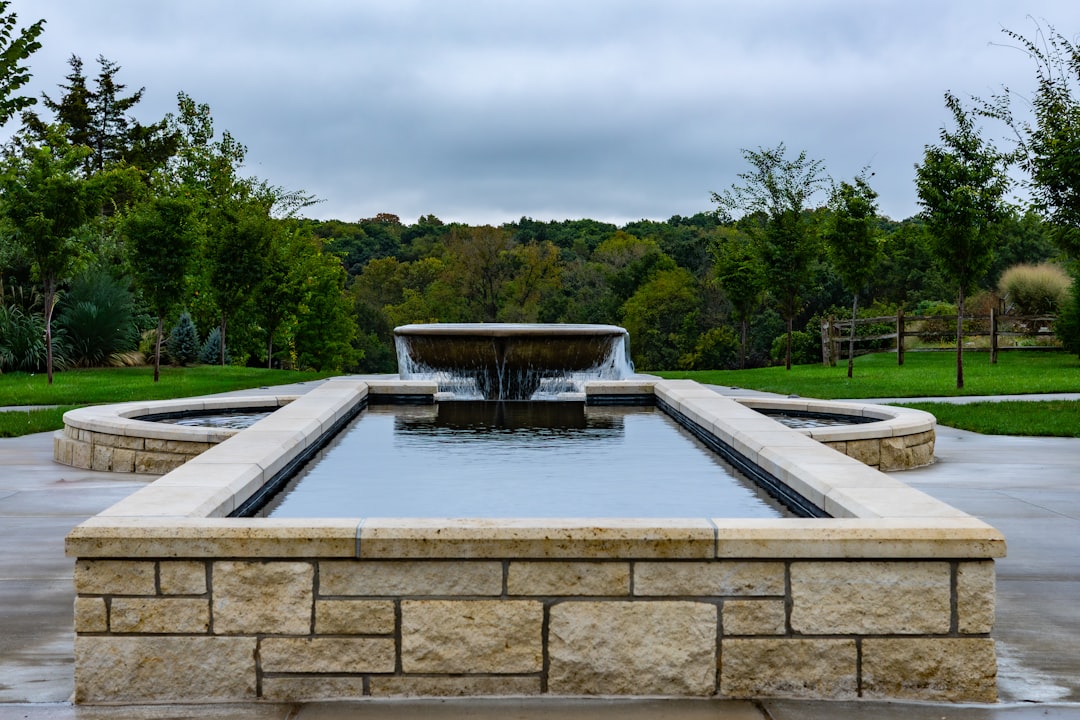
Zen garden water feature on luxury estate with natural stone
Estate design reference — Unsplash

What Feng Shui Actually Is — for the Skeptical Estate Owner

Feng shui is a 3,000-year-old Chinese framework for designing built environments that allow energy — called chi or qi — to flow freely and beneficially. Translated literally, it means "wind and water." In practice, it is a set of design principles governing how space, light, water, orientation, and natural elements interact to produce environments that feel alive, balanced, and complete.

Applied to outdoor estate design, feng shui addresses: how curved pathways allow energy to circulate without rushing or stagnating, how water features should be positioned relative to the home, how privacy planting creates protective enclosure, how the five elements (water, fire, earth, wood, metal) are balanced across the full property, and how directional orientation activates or suppresses different aspects of life.

What makes feng shui relevant to estate-scale buyers is not its metaphysical claims — it is the fact that its design prescriptions produce outdoor environments that feel coherent, intentional, and resort-like. Curved edges over straight lines. Water near the home. Screening that creates enclosure without claustrophobia. Fire elements anchoring the entertainment zone. These are design truths that hold regardless of the belief system behind them.

"The clients who ask about feng shui tend to be the most design-literate clients we work with. They have a framework for what they want the outdoor estate to feel like, not just look like. That actually makes our design process easier — we have a shared vocabulary."

— Thomas Ferrara · Precision Landscaping & Design

Period 9 (2024–2043): Why Now Is the Most Important Time to Get This Right

Feng shui operates in 20-year cycles called Periods. On February 4, 2024, we entered Period 9 — a cycle governed by the Fire element and the South direction. Period 9 is considered the most transformative of the nine cycles, associated with visibility, expression, and the outdoor environment specifically.

What this means practically: any estate built or renovated between 2024 and 2043 benefits from activating the South sector outdoors. Visible outdoor spaces — not enclosed or screened — in the South should be prominent. Fire elements (outdoor kitchens, fire features, warm outdoor lighting) are energetically aligned with the period. Water features should be balanced with fire rather than allowed to dominate.

An estate built in 2026 will be in Period 9 for its first 17 years. The outdoor design decisions made now will interact with the current energy cycle for close to two decades. This is the framing that makes the timing argument meaningful — not that feng shui changes annually, but that the decisions made now are locked in for the full period.

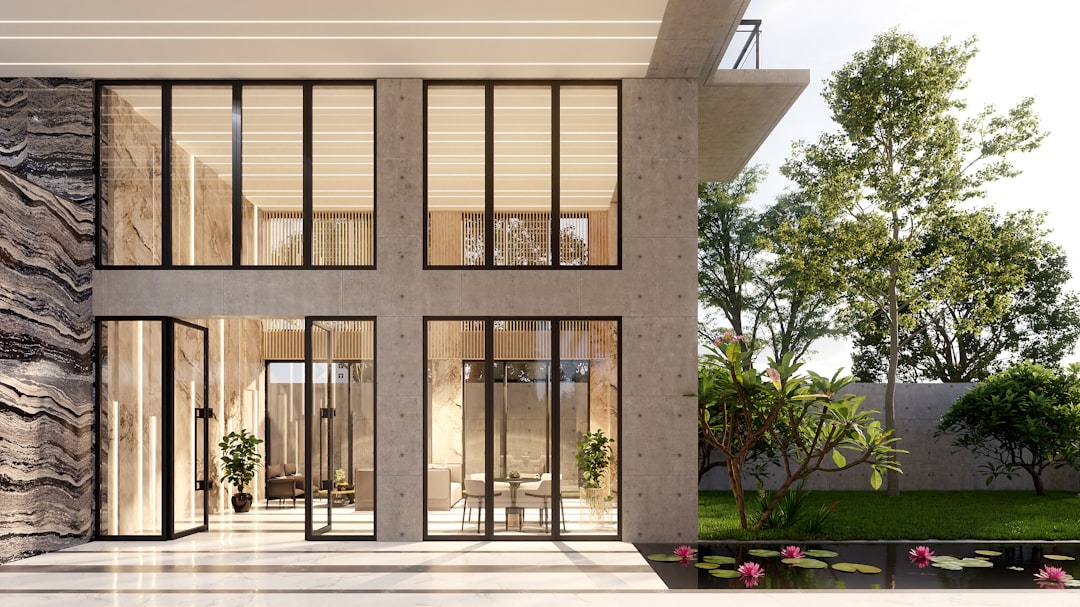
Luxury estate outdoor environment with water feature and tropical landscaping
Estate reference — Unsplash

Five Feng Shui Principles That Apply to Outdoor Estate Design

1. Chi Flow — Curved Over Straight

Chi moves like water — it flows freely along curves and stagnates in dead ends. Straight driveways allow chi to move too fast, carrying energy through the property without settling. Curved approach paths, meandering garden walks, and freeform pool edges all slow and circulate energy beneficially. For SWFL estates with 100–200-foot driveway approaches, the gentle S-curve is both aesthetically superior and energetically correct.

2. The Entry as Energy Funnel

The property gate and driveway sequence is called the Mouth of Chi — the entry point for all energy entering the estate. This zone demands the most deliberate design. Prescriptions: a water feature positioned so it flows toward the home (not away), unobstructed sightlines from gate to front door, specimen plantings flanking the entry to frame the arrival sequence, and strong lighting at the threshold. A neglected entry drains energy from an otherwise well-designed estate.

3. Water Placement — North, East, Southeast

Water features — pools, fountains, ponds — belong in the North (career), East (family and health), or Southeast (abundance and wealth) sectors of the Bagua map. Avoid center rear placement and avoid the West and Southwest sectors for primary water features. For most Naples estates, the geography already favors East or Southeast water views — the feng shui prescription and the market reality align.

4. Privacy Screening as Protection

Feng shui calls for solid backing behind the home — the "black tortoise" position — with privacy on the sides. This maps directly to SWFL estate screening: Clusia hedges, Areca palm walls, and Podocarpus columns on the rear and sides of the property. What the feng shui framework calls energetic protection, estate buyers call privacy. The prescription is the same.

5. Five-Element Balance Across the Full Property

Every well-designed outdoor estate should have all five elements represented and in balance. Water (pool, fountain), Fire (kitchen, fire feature, warm lighting), Earth (stone, pavers, hardscape), Wood (live planting — palms, tropical understory), and Metal (hardware, fixtures, sculpture). A missing element produces a space that feels incomplete without a clear reason why.

Why SWFL Estate Design Already Reflects Feng Shui

The overlap between SWFL estate design and feng shui principles is not coincidental. Both arrived at the same conclusions from different starting points — and the result is that a well-designed Naples estate is already substantially feng shui-aligned without deliberate intention.

Curved lagoon pools dominate the SWFL market because they look like resort pools. Feng shui prescribes curved pools because they allow chi to circulate. Same outcome. Tropical privacy screening — Clusia hedges and Areca palms surrounding the estate perimeter — satisfies both the HOA privacy requirements and the feng shui black tortoise protection. SWFL estates face East or Southeast toward the Gulf or inland water — exactly the sectors feng shui designates for water placement.

The implication: a design-build firm operating in Naples that already builds lagoon pools, curved driveways, tropical screening, and fire-kitchen-pool zones is already applying feng shui principles whether it knows it or not. The deliberate application adds precision — it ensures the principles are applied with intention, not by accident.

How Precision Landscaping & Design Applies Feng Shui Principles

We apply feng shui principles at the design phase, not as a post-construction overlay. The landscape architect we bring in on estate builds produces drawings that account for pool placement, entry sequence, water feature direction, element balance, and sector activation before a single permit is filed. The feng shui diagnostic is part of the design conversation, not a separate consultation.

The advantage of a design-build firm in this context is clear: the team that designed the feng shui-aligned estate is the same team that builds it. There is no handoff where the design intent gets lost. When our client requested the mid-design revision, we revised the drawings and executed the updated design without a coordination gap. One team. One contract. One set of intentions carried from design to turnover.

If your estate is in the design phase — or if you're planning a renovation — this is the right time to apply feng shui principles. These decisions cannot be retrofitted after construction. They are ground-level choices that shape everything built above them.

Frequently Asked Questions

Feng shui is a framework for how energy — called chi or qi — flows through a built environment. Applied to outdoor estate design, it governs how curved pathways allow energy to circulate without stagnating, how water features are positioned relative to the home, how privacy screening creates protection, and how the five natural elements (water, fire, earth, wood, metal) are balanced across the full property. It is not mysticism — it is a design discipline that produces outdoor environments that feel intentional, balanced, and complete.
Period 9 is the current 20-year feng shui cycle, which began February 4, 2024 and runs through 2043. It is governed by the Fire element and activates the South direction of any property. Homes designed or renovated between 2024 and 2043 benefit from activating the South sector outdoors — visible outdoor spaces, fire features, and warm lighting. Any estate built now will live in Period 9 for its first 18+ years. The design decisions made in 2026 carry period-specific consequences.
Many SWFL estate properties are naturally feng shui-favorable. Properties facing East or Southeast toward water views align with the Bagua water sectors. Curved lagoon pools — the dominant SWFL aesthetic — satisfy the feng shui preference for curved water over rectangular forms. Tropical privacy planting (Clusia hedges, Areca palms) fulfills the feng shui protection requirement on rear and sides. SWFL estate design and feng shui overlap substantially — often the feng shui-correct choice and the design-correct choice are the same answer.
Feng shui is a design-phase discipline. Pool placement, driveway curvature, water feature positioning, and sector activation must be decided before construction begins — these elements cannot be meaningfully adjusted after the fact. Entry features, planting placement, and lighting can be refined after construction, but the structural decisions are locked in at design. The contractors who can integrate feng shui principles most effectively are design-build firms whose design team and construction team operate as one.
It is more common than many contractors acknowledge. In 2026, we had a current Naples estate client request a full layout revision partway through the design process to align the outdoor environment with feng shui principles — specifically pool placement, entry curvature, and water feature direction. Naples buyers at the $3M–$10M+ property range think holistically about their estate. Feng shui is one framework they bring to that conversation.

Planning an Estate Build or Renovation in Naples?

We design the full outdoor estate — pool, entry sequence, fire features, hardscape, and planting — as one coordinated build. Feng shui principles are part of our design conversation from day one.

Or read: Feng Shui Pool Design · Entry & Arrival Design · Full Estate Build